
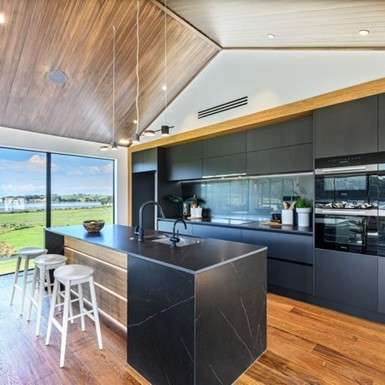
What Kitchen Upgrades Add the Most Value to Your Home?
The kitchen is one of the few rooms where value is measured two ways at once. It needs to feel good to live in every day, and it needs to read well to a future buyer scanning a home with a sharp eye and a long checklist.
The best upgrades are rarely the flashiest. They are the ones that make the room work, look coherent, and age slowly. Get those right and you can lift the perceived quality of the entire house, not just the kitchen.
Value is usually won on layout first, finishes second
A kitchen can have premium materials and still feel “cheap” if the layout is awkward. Poor clearances, a cramped landing area near the hob, or a fridge door that clashes with cabinetry all create friction. Buyers might not name the problem, but they feel it immediately.
Layout improvements also tend to signal that the renovation was thoughtful rather than cosmetic. Even small changes can make a major difference: widening a pinch point, shifting the sink so it faces light, or adding a proper pantry run so benchtops stay clear.
After layout, buyers notice finishes. Not every finish needs to be expensive, but they do need to be consistent. A kitchen that uses two or three coordinated materials, repeated with intention, reads as considered.
The upgrades that most often pay you back
There is no universal “return on investment” because value depends on suburb, property type, and the price bracket you are playing in. Still, patterns show up again and again. If you are choosing where to spend, start with the items that improve daily function and visual calm.
Here are upgrades that tend to lift value because they change how the kitchen performs and how it photographs.
– Cabinetry that fits properly
– Better benchtop workspace
– Lighting that removes shadows
– Storage that reduces clutter
– Modern, quiet extraction
– Appliances that match the home’s level
Those are the broad strokes. The detail, and the value, sits inside the choices you make in each category.
Cabinetry: the quiet upgrade buyers notice most
Cabinetry is the biggest visual surface in the room, so it sets the tone. It also controls day to day usability more than almost anything else.
Value tends to come from three cabinetry decisions:
– Door style and proportions that suit the house (a sleek slab door can look right in a contemporary home, while a more detailed profile can suit a character villa if kept restrained).
– Durable hardware (soft close hinges, solid runners, handles that feel good in the hand).
– Smart internal storage that makes the kitchen feel larger than it is.
If you are choosing between “more cupboards” and “better cupboards”, better usually wins. Full height cabinets reduce dust collecting ledges and visually tidy the room. Panel ready end panels and neat fillers remove the cobbled together look that buyers pick up quickly.
A note on colour: whites and soft neutrals stay safest for resale, yet you can still bring personality through texture, tapware, lighting, or a single feature surface.
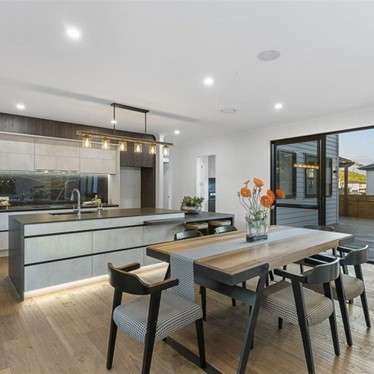
Benchtops and splashbacks: a clean line beats a costly pattern
Benchtops are touched constantly, so they should be robust and easy to maintain. Buyers love the idea of a kitchen that will still look good after years of cups, knives, hot plates, and birthday-cake chaos.
Engineered stone, porcelain, quality laminates, and well sealed timber can all work, depending on the home and budget. The value is not only in price per metre, it is in the decisions around joins, overhangs, and edge profiles. A tidy, simple edge often reads more premium than an elaborate profile that dates quickly.
Splashbacks are where many kitchens either sharpen up or fall apart. A full height splashback behind the cooktop can look crisp and is easy to wipe down. Tile can be brilliant too, when the grout lines and layout are chosen with care.
Appliances: spend where it changes the experience
Appliances can swallow a budget fast, so choose with intention. What tends to add value is not the fanciest badge, but a set of appliances that fit the home and feel coordinated.
If you only upgrade one appliance for impact, it is often the oven or cooktop, because buyers imagine themselves cooking. Quiet extraction is also a strong move in New Zealand homes where open plan living is common, as it keeps smells and steam under control.
Integrated dishwashers and fridge panels can create a calm “furniture” look, though they are not essential for every house. In a mid-range home, a standard stainless fridge can be perfectly acceptable if the rest of the kitchen looks cohesive.
Lighting: make the room feel bigger without moving a wall
Lighting is one of the best value upgrades because it transforms how materials look. Under-cabinet lighting reduces harsh shadows on the bench. Good ceiling lighting keeps the space feeling open on winter evenings. A well chosen pendant over an island becomes an anchor for the whole room.
Think in layers, not a single bright fitting in the centre of the ceiling. When lighting is done well, a kitchen feels more expensive even when the finishes are modest.
Storage: buyers pay for calm
Clutter is a value killer. Storage is a value builder because it removes visual noise. The best storage is not “more”, it is storage that matches how people actually use a kitchen.
After you have a sensible run of cabinets, the upgrades that often add the most perceived value include:
– Pantry planning: tall pull-outs, adjustable shelves, and space for small appliances
– Drawer priority: wide drawers for pots, plates, and pantry items reduce digging and bending
– Waste and recycling: an integrated system close to the prep zone keeps benches clear
– Corner solutions: lazy Susans and pull-out corner units can be worthwhile in tight plans
Even a compact kitchen can feel premium when there is a place for everything.
Plumbing and fixtures: tactile quality sells the room
Tapware and sinks are touched every day, so buyers notice how they feel. A solid mixer with smooth movement, a sink size that suits the bench, and a layout that allows proper draining space all signal quality.
If you are renovating for value, aim for fixtures that look timeless and are easy to source in future. A very unusual finish can date quickly. Matte black and brushed finishes can look great, yet they should match nearby hardware and lighting so they feel intentional.
Water efficiency also matters in New Zealand, especially in areas with growing pressure on infrastructure. Efficient fixtures can be a quiet selling point.
Ventilation: the upgrade that protects everything else
Extraction is not glamorous, but it protects cabinetry, paint, and indoor air quality. A powerful, quiet rangehood (ducted externally when possible) can prevent grease build-up and reduce moisture, which is a real concern in many homes.
If you are keeping an open plan kitchen, ventilation is even more important. Buyers want to imagine entertaining without cooking smells hanging around.
A quick guide to spend versus impact
Costs vary by region and by the complexity of your existing space, but it helps to think in bands and priorities. The table below is a practical way to compare upgrades without getting stuck on brand names.
| Upgrade | Typical value impact | Indicative cost band | Best when… |
| Layout tweaks (clearances, work zones) | High | Medium to High | The current kitchen feels tight or awkward |
| New cabinetry and hardware | High | Medium to High | Doors are dated, storage is poor, or finishes don’t match |
| Benchtop upgrade | Medium to High | Medium to High | The bench is damaged, stained, or visually heavy |
| Splashback refresh | Medium | Low to Medium | The kitchen is fine but needs a cleaner, newer look |
| Lighting plan (layers, under-cabinet) | Medium | Low to Medium | The room feels dim or flat, especially at night |
| Extraction upgrade (quiet, effective) | Medium | Medium | You cook often, or open plan odours linger |
| Appliance refresh (targeted) | Medium | Medium to High | Existing appliances look mismatched or dated |
| Storage inserts (drawers, pantry systems) | Medium | Low to Medium | You want to lift function without major building work |
| Tapware and sink | Low to Medium | Low to Medium | You want a visible quality signal at a modest spend |
If you are deciding between two options, choose the one that improves how the kitchen works. Function tends to translate into value more reliably than decorative flourishes.
Renovating for resale versus renovating to live well
Resale focused renovations usually favour neutral colours, broadly appealing materials, and classic forms. Liveability focused renovations can take more creative risks, especially if you plan to stay for years.
You can do both. A kitchen can be calm and timeless, while still feeling special. The trick is to concentrate personality in elements that are easy to update later, like paint, bar stools, pendant lights, or even a feature splashback. Lock in longevity in the expensive elements: cabinetry layout, plumbing positions, and major appliances.
It also pays to respect the home. A grand, ultra-minimal kitchen can feel out of place in a modest bungalow, while a busy, ornate kitchen can fight with a modern architectural build. Buyers respond well to renovations that suit the property’s tone.
Choosing a maker and installer: process affects value
A great kitchen is more than good design. Measurement accuracy, material handling, build precision, and disciplined installation all affect how your kitchen performs and looks over time. Premium materials cannot compensate for poor installation, while careful craftsmanship can elevate even mid-range selections.
At Awesome Kitchens, we combine design, manufacturing, and installation under one roof. Founded in 2016 and now based in Onehunga, our two-storey showroom allows clients to explore a range of styles and finishes in person. Behind the scenes, modern precision machinery helps ensure doors align correctly, panels sit cleanly, and lines remain consistent throughout the space.
Our in-house installation team works directly with our designers and manufacturers. This reduces handover gaps and helps keep timelines predictable, especially during busy renovation periods.
Whatever company you choose, always ask to see recent completed projects — not just styled display kitchens. Look closely at internal corners, panel joins, and the consistency of door and drawer gaps. These small details reveal the real quality behind the finish.
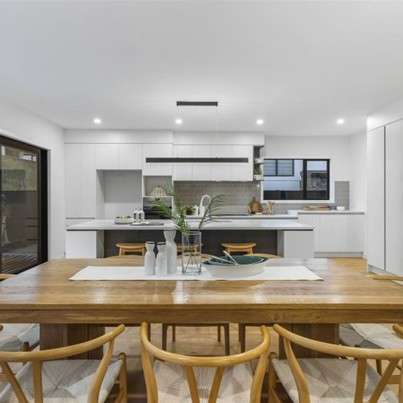
Small upgrades that can still move the needle
Not every value lift needs a full renovation. If the layout is sound and cabinetry is in reasonable shape, a focused refresh can still change the feel of the room.
Fresh paint, new handles, a modern tap, updated lighting, and a new splashback can turn a dated kitchen into one that feels cared for. Even better, these upgrades can often be done with less disruption, which matters if you are living in the home during the work.
The most valuable kitchens tend to share a simple quality: they feel easy. Easy to cook in, easy to clean, easy to see yourself living in. When upgrades aim for that kind of ease, buyers respond, valuers take note, and the kitchen earns its place as the centre of the home.
