
What Is the Most Expensive Part of a Kitchen Renovation?
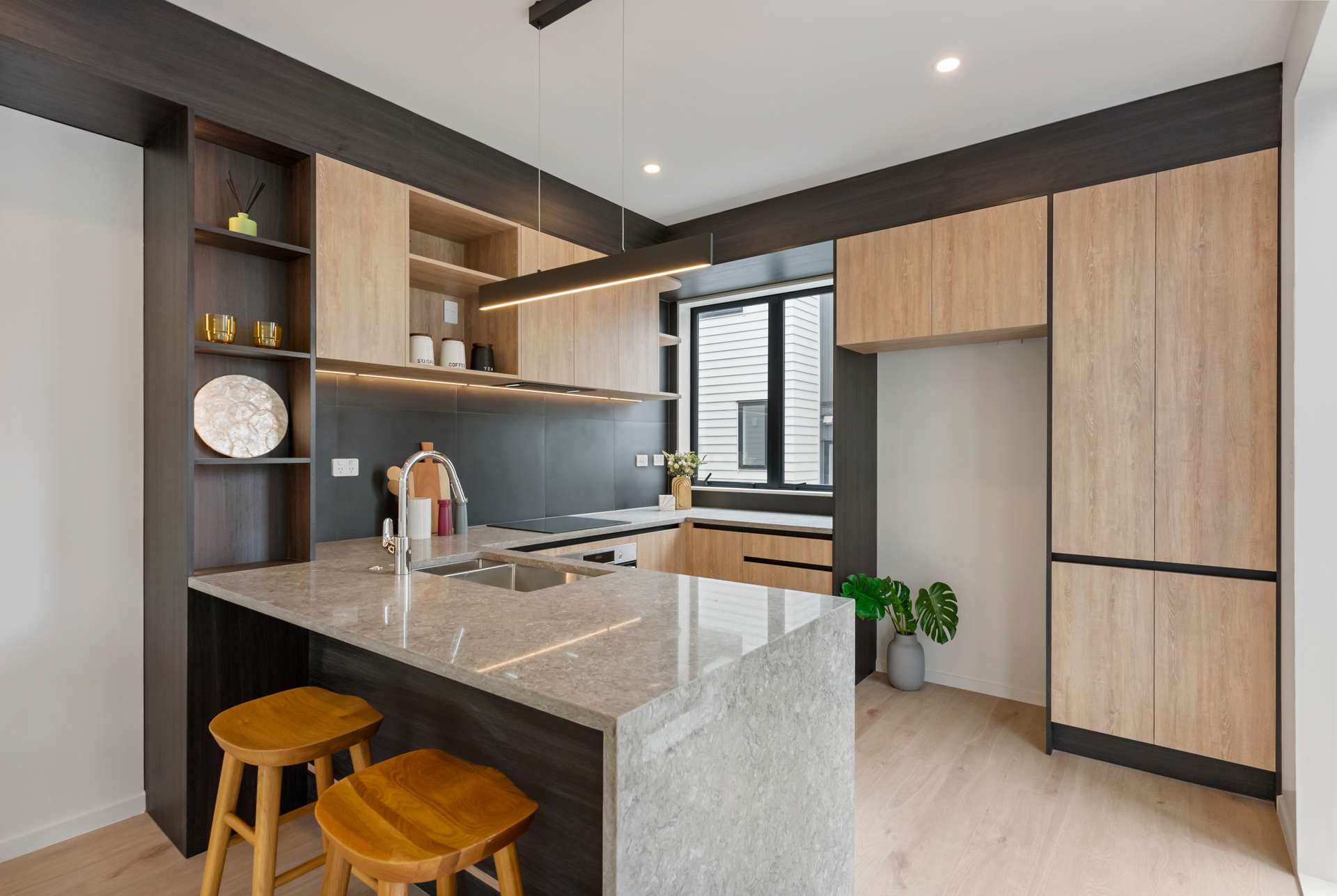
When people begin pricing a kitchen renovation in Auckland, one question comes up quickly: what actually costs the most? Many expect appliances to top the list, or assume stone benchtops will swallow the budget whole. In many projects, though, the largest single cost is usually cabinetry and joinery.
That answer matters because it changes how a renovation should be planned. If the bulk of the spend sits in cabinetry, then design decisions around layout, storage, finishes, hardware, and installation quality carry more weight than people first imagine.
Why kitchen renovation costs vary in Auckland
Kitchen pricing is never just about square metres or how many cupboards appear on a plan. Two kitchens with the same footprint can land in very different budget ranges because the real cost sits inside the details: cabinet construction, drawer systems, benchtop material, electrical changes, plumbing shifts, wall alterations, and the finish standard expected at handover.
Auckland adds its own pressures. Labour rates, material supply, delivery logistics, and the age of many homes all shape the final figure. Renovating in a newer townhouse is often more predictable than reworking a villa or bungalow where walls are out of square, floors slope slightly, and old services need to be brought up to standard.
That is why the most expensive part of a kitchen renovation is not always the most visible part. A beautiful surface can grab attention, yet the hidden structure, fit, and workmanship underneath often account for a bigger share of the budget.
Cabinetry and joinery are often the biggest kitchen renovation cost
For most mid-range to high-end projects, cabinetry is the largest cost centre. That includes the cabinets themselves, drawer runners, hinges, internal organisers, panels, fillers, kickboards, manufacturing, finishing, and installation. If the design is custom, every millimetre matters, and custom work takes time, precision, and skilled labour.
Cabinetry also has a multiplier effect. The more tailored the design, the more decisions are involved. Do you want full-height cabinetry? Handleless fronts? Soft-close drawers throughout? Pull-out pantry storage? Integrated bins? Appliance housing? Feature shelving? Each choice adds function and polish, yet each one adds cost as well.
This is also where quality becomes very noticeable over time. Poorly made cabinetry may look acceptable on day one, then begin to sag, chip, misalign, or feel flimsy after a few years of daily use. Well-made joinery tends to justify its price because it improves how the kitchen works every day, not just how it photographs.
In Auckland homes, custom cabinetry is especially common because many kitchens need to fit imperfect spaces. Standard off-the-shelf units can work in some renovations, but custom joinery often makes better use of corners, ceiling heights, and awkward walls.
Typical kitchen renovation cost breakdown in Auckland
A budget breakdown helps explain why cabinetry so often sits at the top.
| Kitchen element | Typical share of budget | Why it costs what it does |
| Cabinetry and joinery | 30 to 40% | Custom manufacture, hardware, finishes, installation |
| Benchtops | 10 to 20% | Material choice, thickness, edging, cut-outs |
| Appliances | 10 to 20% | Brand, integration, cooking setup |
| Labour and trades | 15 to 25% | Electrical, plumbing, plastering, tiling, fitting |
| Layout and structural work | 5 to 20% | Moving walls, windows, services |
| Lighting, splashbacks, finishing | 5 to 15% | Detail items that add up quickly |
These figures shift based on scope, but they show a clear pattern. Cabinetry is often the anchor cost, especially where the renovation includes a bespoke layout and premium hardware.
Benchtops and appliances can also command a premium
Stone benchtops are often seen as the luxury centrepiece, and in some kitchens they are the second most expensive item after cabinetry. Natural stone, engineered stone alternatives, porcelain, stainless steel, and solid timber all come with different price points and fabrication demands. Waterfall ends, undermount sinks, drainer grooves, and hob cut-outs all raise the cost.
Appliances can climb fast too. A single freestanding cooker might be straightforward, while a package with integrated fridge, wall ovens, induction hob, concealed rangehood, warming drawer, and wine storage changes the picture quickly. Premium brands bring stronger performance and a cleaner look, though they can take a major share of the budget if left unchecked.
Still, appliances are not always the biggest line item. Many homeowners can stage appliance purchases or retain one or two existing pieces. Cabinetry usually does not offer that same flexibility because it forms the structure of the whole room.
Labour, layout changes, and services work can change the answer
Sometimes cabinetry is not the most expensive part, especially when the layout is being rebuilt from scratch. If plumbing needs to move across the room, the switchboard needs work, walls are removed, windows are resized, or flooring runs through the entire open-plan space, labour and building work can overtake joinery costs.
Older Auckland homes are the usual example. Renovations in these properties can uncover surprises once demolition starts. A simple kitchen refresh can turn into electrical upgrades, re-levelling, insulation improvements, or wall repairs. Those costs are not glamorous, yet they are necessary for a safe and durable result.
This is why fixed assumptions can be risky. The answer to “what is the most expensive part?” is usually cabinetry, but the truer answer is this: the biggest cost is the element carrying the most complexity.
How material choices affect kitchen renovation costs in Auckland
Material selection has a direct effect on how much cabinetry costs. Melamine cabinetry is often more budget-friendly than painted finishes or timber veneer. Laminate can offer excellent value. Two-pack painted doors create a refined look, though they need more preparation and finishing work. Internal hardware matters too, even when it is hidden once the doors close.
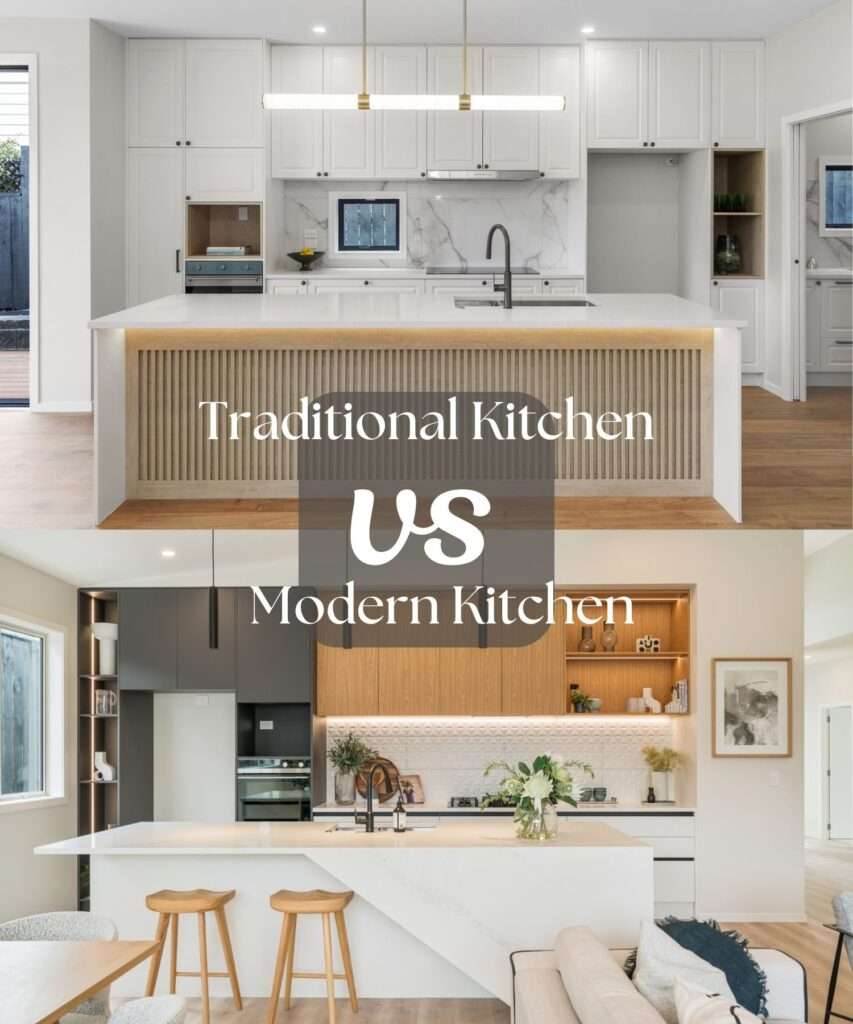
The same applies across the whole kitchen. A carefully chosen mix of materials can keep the design strong while stopping the budget from drifting. Many successful kitchens are not built from premium materials in every corner. They place the spend where it has the greatest effect.
A few cost drivers show up again and again:
- custom drawer banks
- painted shaker-style fronts
- full-height pantry cabinetry
- stone waterfall ends
- integrated appliances
- specialty corner storage
The lesson is simple. Small upgrades rarely stay small once they stack together.
What smart Auckland homeowners do to control kitchen renovation costs
The best budget control starts before any products are ordered. A clear brief, a realistic price range, and early decisions about priorities help avoid expensive changes later. Switching layouts halfway through a job is one of the easiest ways to lose budget.
It also helps to separate “must-haves” from “nice-to-haves”. Not every feature deserves the same investment. If quality joinery and a strong workflow matter most, it may be wiser to simplify the splashback or choose appliances from a mid-range collection.
Practical cost-saving habits usually include the following:
- Keep the plumbing location stable: moving sinks and dishwashers often adds trade costs quickly.
- Spend on drawers where they matter: base drawers improve usability more than many decorative upgrades.
- Mix finishes carefully: feature materials can be reserved for visible zones.
- Choose integrated details selectively: not every appliance needs to disappear behind cabinetry.
- Allow a contingency: older homes can reveal hidden work once demolition begins.
That does not mean settling for less. It means spending with purpose.
Why design quality matters as much as product cost
A cheaper kitchen that wastes space, blocks movement, or lacks proper storage can feel expensive very quickly. Good design protects the investment by making the room easier to use every day. It can also prevent overspending, because smart planning often removes unnecessary extras.
This is where experienced kitchen specialists stand apart. A strong designer can identify where custom joinery is worth paying for and where standard solutions are enough. They can also see issues before production begins, which reduces variations, delays, and awkward compromises on site.
For homeowners planning a kitchen renovation in Auckland, that balance between design quality and budget discipline is often what shapes the whole experience.
A local example of kitchen renovation expertise in Auckland
One Auckland kitchen company that reflects this design-and-build approach began in 2016 in Penrose and later moved to Onehunga in 2020, opening a two-storey showroom with a range of kitchen styles for inspiration. That kind of showroom setting is valuable because it helps homeowners compare finishes, layouts, storage ideas, and detailing in person rather than trying to judge everything from small samples alone.
The same company also points to another major factor in renovation cost: how the kitchen is made and installed. With state-of-the-art German machinery, joinery can be produced with a high level of accuracy and consistency. Precision manufacturing matters because it supports tighter tolerances, cleaner lines, and a better fit on site, especially in custom kitchens where every panel and gap is visible.
Its use of in-house installation teams is just as relevant. Installation is often underestimated during budgeting, yet it has a direct effect on the final result. Even excellent cabinetry can underperform if it is installed poorly. Skilled installation protects the design, reduces rework, and helps the renovation run more smoothly from production through to completion.
What to ask when comparing kitchen renovation quotes in Auckland
A quote can look competitive at first glance and still leave out key items that later become variations. That is why the cheapest number on the page is not always the best value. A proper comparison needs detail, not just totals.
When reviewing proposals, ask what is included in the cabinetry allowance, what hardware is specified, who is handling installation, and whether the quote covers site measures, removal, electrical, plumbing, benchtop templating, and finishing work. Ask how any unforeseen issues will be priced if the home reveals hidden problems during demolition.
A useful checklist includes:
- Cabinet construction: materials, edging, shelf thickness, moisture resistance
- Hardware specification: hinge and runner brands, soft-close features, warranty terms
- Benchtop scope: material, cut-outs, joins, edge profiles, splashback inclusion
- Installation details: in-house team or subcontracted fitters
- Trade coordination: who manages electricians, plumbers, and other site work
When those questions are answered clearly, it becomes much easier to see where the real value sits.
Bringing Your Dream Kitchen to Life with Awesome Kitchens
A kitchen renovation is more than just upgrading cabinets or changing finishes. It is about creating a space that works better for everyday living while adding long-term value to the home. From thoughtful kitchen cabinets design to high-quality craftsmanship and smooth installation, every detail plays a role in the final result.
At Awesome Kitchens, the focus has always been on combining practical functionality with modern design to create kitchens that feel both beautiful and easy to live in. With years of experience across kitchen renovation projects in Auckland, custom cabinetry, and new builds, the team understands how to balance style, usability, and budget in a way that suits each home individually. Whether you are planning a full kitchen renovation, upgrading outdated cabinetry, or building a brand-new kitchen space, Awesome Kitchens aims to make the process clear, collaborative, and enjoyable from concept through to completion.
