
What Auckland Homeowners Often Get Wrong in Kitchen Design
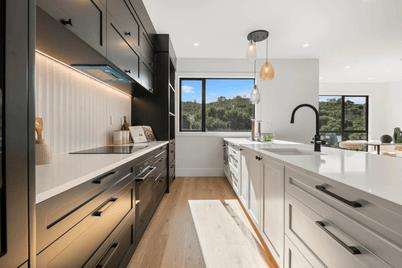
Auckland kitchens get worked hard. They are breakfast stations on school mornings, coffee bars on weekends, and the room everyone drifts into when friends arrive. That mix of cooking and hosting is exactly why kitchen design regrets sting. Once the cabinetry is in and the benchtop is cut, even a small misstep can be expensive to correct.
The good news is most mistakes are predictable. They tend to show up when decisions are made in isolation, when aesthetics win over day to day use, or when the build realities of an Auckland home (space, moisture, older services, site access) are left to “sort later”.
Designing for photos instead of movement
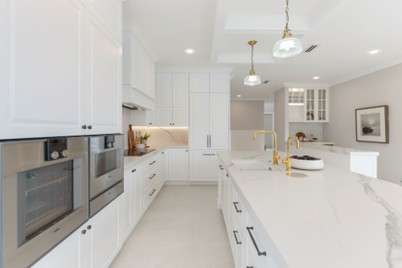
A kitchen can look perfect on a screen and still feel awkward the first time you cook a proper meal. The most common regret here is a layout that ignores how people actually move between the fridge, sink, cooktop, pantry, rubbish, and dishwasher.
Think in sequences rather than zones. Unloading groceries, making lunches, cooking dinner, hosting guests. If your walkway pinches at the fridge door, or your dishwasher blocks the bins, the whole room feels tighter than it is.
A simple planning habit helps: sketch the “busy minute” when one person is cooking and another is making a drink. If you can’t pass each other without stepping back, you may need to adjust appliance placement, island depth, or clearances.
Getting the worktop and island scale wrong
Islands are popular in Auckland new builds and renovations because they create a natural gathering point. The regret usually comes from size. Too big, and it becomes a traffic obstacle. Too small, and it fails as a prep bench and social surface.
Bench height and overhang also matter more than people expect. A breakfast bar that looks tidy can be uncomfortable if knees knock cabinetry, or if stools sit too low for the benchtop height. It is worth checking these dimensions early, not after cabinetry is ordered.
And don’t forget the “invisible” requirements: power for small appliances, a sensible landing zone near the hob, and enough overhang for seating without forcing the main prep area into a narrow strip.
Underestimating storage, then overcorrecting
Storage is a balancing act. Some kitchens fail because there simply is not enough of it, so benchtops fill up and the space feels messy. Others go the opposite way with heavy overhead cabinetry everywhere, which can make the room feel boxed in and dark.
Auckland homes often have a mix of cooking styles, from quick weeknight meals to big family gatherings. That tends to call for flexible storage rather than just “more cupboards”. Deep drawers for pots, a proper pantry system, and a place for small appliances can change how calm the kitchen feels.
Before locking in cabinetry drawings, it helps to talk through what you own and where it will live. After all, a cabinet is only useful if it suits what you store.
Here are a few prompts designers often use to keep storage practical:
– Everyday bench items: kettle, toaster, coffee gear, fruit bowl
–Tall storage: broom, vacuum, trays, small step stool
–Drawers vs shelves: drawers cost more but reduce bending and rummaging
– Appliance “garage”: hides clutter while keeping things plugged in
–Waste and recycling: plan for Auckland Council bin habits and bottle storage
Choosing materials that look great, then wear badly
A kitchen is a wet, hot, high-touch environment. Regrets often trace back to finishes chosen on looks alone, without thinking about cleaning, sunlight, and impact resistance.
High gloss can show fingerprints. Matte black can show water marks. Some pale benchtops stain quickly with coffee, curry, and red wine. Laminates have improved a lot, yet edge details and joins still matter. Timber accents bring warmth, but need thoughtful sealing and care in splash zones.
Auckland’s light can be harsh in north-facing rooms. Materials can read very differently at 9am compared with late afternoon. Take samples home if possible, and view them where the kitchen will actually sit.
If you want a modern look with less day to day stress, aim for finishes that forgive real life. Texture, mid-tones, and consistent grain patterns can hide wear better than ultra-flat, high-contrast surfaces.
Lighting planned last, then lived with daily
Lighting regrets are common because the kitchen “seems bright enough” until winter evenings arrive. Layered lighting changes everything: task lighting for prep, ambient lighting for the room, and feature lighting for mood.
The classic mistake is relying on a few downlights and calling it done. That often throws shadows onto the bench because your body blocks the light source. Under-cabinet lighting, well placed pendants, and thoughtful switching create a kitchen that works at 6am and 9pm.
Also consider glare. A pendant centred perfectly over an island can still be unpleasant if the bulb is exposed at eye level when seated. Diffusers and warm colour temperatures help the room feel inviting rather than clinical.
Power, plumbing, and ventilation treated as “minor details”
Services are not glamorous, but they make or break a kitchen. Common regrets include too few power points, awkward placements that force cords across benches, and a rangehood that looks sleek yet fails to clear steam and cooking smells.
Ventilation is especially important in Auckland, where moisture control affects comfort and the condition of your home. If you cook regularly, choose extraction based on performance, not just appearance, and plan ducting early. A recirculating hood can suit some situations, though it has limits compared with ducted extraction.
Plumbing decisions also shape functionality. If the bin is far from the prep area, food scraps end up everywhere. If the dishwasher is not close to the sink, you end up dripping across the floor. These are small distances that become daily irritations.
Handles, hardware, and drawer systems chosen on price alone
Cabinets are only as good as the hardware inside them. Soft-close systems, hinge quality, drawer runners, and internal organisers affect how the kitchen feels years later, not just on day one.
There is also a safety and durability angle. Drawers that slam, doors that sag, and corner solutions that jam will frustrate you far more than a benchtop colour you’re slightly unsure about.
If you prefer a handle-less look, make sure the chosen approach fits how your household uses the space. Finger pull rails and push-to-open systems can look crisp, yet they need careful planning around cleaning and wear points.
A specialist cabinet maker with modern manufacturing tools, including CNC cutting and precise edge banding, can help cabinetry lines stay sharp and consistent. The design still needs to be right, but build accuracy does support a better long-term result.
Skipping the hard choices early: timeline, access, and liveability
Auckland renovations often involve tight access, shared driveways, and homes that stay occupied while work happens. Regrets here are less about design and more about disruption: no temporary cooking plan, long lead times on key components, or changing the scope midstream.
Make decisions early on appliances, sink configuration, and cabinetry layout. Those choices influence plumbing locations, electrical planning, and benchtop fabrication. Late changes can ripple through the project cost and timing.
If you are renovating to sell, consistency in kitchen designs matters. Buyers respond to kitchens that feel coherent, where proportions, materials, and storage make sense. If you are renovating to live in, comfort and practicality matter even more. Both paths benefit from a clear brief.
A quick map of frequent regrets and better moves
The patterns repeat across many Auckland homes, whether it’s a villa with quirks or a new build with open plan living. A short comparison can help you spot risk areas before you commit.
| Common regret | What it feels like day to day | A better move during design |
| Island blocks circulation | People bump past each other, fridge door clashes | Confirm clearances with doors open and stools in place |
| Not enough drawers | Too much bending, messy shelves | Prioritise deep drawers for heavy and everyday items |
| Poor task lighting | Shadows on prep areas, tired eyes | Add under-cabinet lighting and separate switching |
| Rangehood underpowered | Cooking smells linger, moisture builds | Plan extraction and ducting early, size to cooking habits |
| Power points forgotten | Cords everywhere, no place for appliances | Include power on island/ends and inside appliance cupboards |
| Materials too delicate | Stains, chips, constant wiping | Choose forgiving finishes and realistic edge details |
How to review a kitchen plan before it’s signed off
By the time you see final drawings, it can feel like the big decisions are already locked in. They’re not. A careful review now is far cheaper than a fix later.
Walk through the plan as if you’re cooking a normal dinner, not hosting a magazine shoot. Open imaginary doors. Pretend you’re unloading the dishwasher. Imagine where the rubbish goes while you prep vegetables. The goal is to catch friction points.
A few fast checks can reveal most issues:
-Fridge door swing and landing space
-Dishwasher open without blocking main walkway
-Bins within one step of the main prep zone
-A clear spot for hot trays near the oven or cooktop
-Somewhere to park bags, keys, and mail that is not the benchtop
Setting up a design brief that leads to a kitchen you’ll enjoy
A strong brief is not a long document. It’s a clear set of priorities that keeps everyone focused when choices multiply.
Start with three anchors: how you cook, how you host, and what annoys you about your current kitchen. Then add a shortlist of non-negotiables, like more drawers, a larger pantry, a second sink, or space for a coffee setup. From there, material selections and layout options become easier to judge because they serve a purpose. If you’re working with a kitchen renovation and cabinetry design team, ask them to explain trade-offs in plain language: what you gain, what you lose, and what will cost more time or money. Good design is confident, but it also respects real constraints. That mix is what turns a kitchen into a room you trust every day.
Closing: Turning Good Design into a Kitchen You Trust Every Day
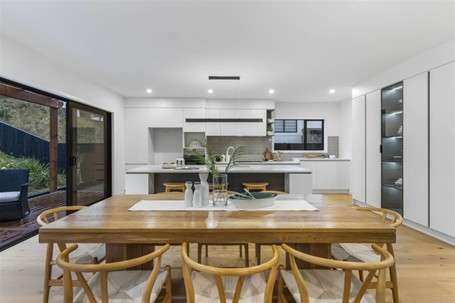
A well-designed kitchen is not just about avoiding regrets. It is about creating a space that works quietly in the background of daily life, supporting how you cook, host, and move through your home. That level of comfort comes from good planning, thoughtful details, and a team that understands both design intent and build reality.
This is where Awesome Kitchens stands apart. Their approach begins with listening, shaping each kitchen around the client rather than forcing a one-size-fits-all solution. Backed by an experienced design, manufacturing, and installation team, and supported by advanced CNC and precision machinery, ideas are translated into cabinetry that fits accurately, functions smoothly, and lasts.
By sourcing quality materials locally and working with trusted suppliers such as Hafele and Laminex, Awesome Kitchens maintains consistency across finishes, hardware, and internal systems. Combined with a customer-focused process and efficient lead times, the result is a kitchen renovation that feels considered, well-executed, and easy to live with long after installation day. When kitchen designs are made early, trade-offs are explained clearly, and craftsmanship is supported by modern manufacturing, a kitchen becomes more than a visual upgrade. It becomes a space you rely on every day — and that is the difference thoughtful kitchen design can make.
