
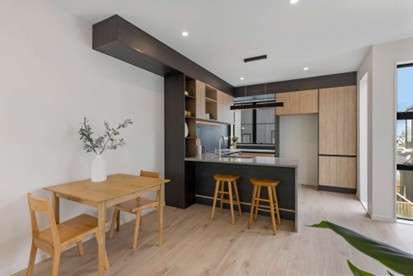
What Is Kitchen Joinery and Why It Matters for Your Home
Most days begin and end in the kitchen. Coffee, kai, quick lunches between video calls, big family dinners on a Sunday. The difference between a kitchen that keeps up and one that gets in the way is often the joinery. Get the joinery right and everything feels easier, calmer, more beautiful.
Joinery is not just cupboards. It is the craft, the components, and the precision that turn four walls and some appliances into a hard-working, long-lasting workspace.
What kitchen joinery really means
Kitchen joinery is the collection of built elements that shape the room. Cabinets, drawers, benchtops, panels, shelves, islands, appliance housings, corner solutions, even the kickboard at your feet. These parts are designed, fabricated, and installed as one coordinated system so that storage, flow, and finishes work together.
Good joinery treats the kitchen like a high-use machine. The look matters, but so do the carcasses you never see, the hinges you rarely notice, the edges that resist moisture and knocks, and the clearances that let doors open without clashing.
In short, joinery is the backbone. Cabinetry is just one piece of it.
Components you can see and touch
-Cabinet carcasses: the structural boxes that hold everything together
-Fronts: doors and drawer faces that set the personality
-Drawers: single, double, and internal units for pans, plates, and pantry items
-Benchtops: laminate, timber, stainless, porcelain, natural stone
-Splashbacks: tile, glass, stainless, porcelain panels
-Side and end panels: finish pieces for islands and runs
-Kickboards and shadow lines: the base detail that sets the tone
-Pantries and appliance towers: organised vertical storage
-Corner solutions: carousels, blind-corner pull-outs, diagonal cupboards
-Open shelving: a light break between solid runs of cabinets
Each piece adds function and feel. Even a 5 millimetre shadow line or a wraparound end panel changes how the room reads.
The hidden gear that makes it purr
What you don’t see matters as much as the glossy finish. Quality hardware gives you long service and fewer callbacks.
-Hinges: soft-close, clip-on for easy removal and cleaning
-Drawer runners: full extension so nothing hides at the back
-Lift systems: overhead doors that open up and out of the way
-Pull-outs: bins, spices, towel rails, tea caddy units that keep benches clear
-Corner systems: modern mechanisms that bring pots to you
-Lighting: under-cabinet and in-drawer LEDs tied to door sensors
-Venting and gaps: space for fridge and oven airflow, with heat shields where needed
-Edge protection: high-grade edgebanding to keep moisture out
Materials that stand up to Kiwi homes
Kitchens in Aotearoa see steam, salt air, sandy feet, and sometimes a bit of rugby practice between the island and the sofa. Materials need to look sharp and hold up. Here is a quick guide.
| Part of kitchen | Common materials | Strengths | Watch–outs |
| Carcasses | Moisture-resistant MDF, plywood, high-grade particleboard | Stable, cost-effective, good edge sealing | Water exposure at sink and dishwasher zones |
| Doors and drawer fronts | Melamine,thermofoil, lacquered MDF, timber veneer, solid timber | Wide style range, easy to clean, repairable in many finishes | Direct sun can fade darker colours, thermofoil hates high heat |
| Benchtops | Laminate, solid timber, stainless steel, porcelain or sintered slabs, natural stone | Texture choice, heat and scratch resistance varies by material | Laminate dislikes hot pots, timber needs oiling, stone varies by type |
| Splashbacks | Tile, painted glass, stainless, porcelain panels | Moisture protection, easy wipe, sets character | Grout care for tiles, toughened glass is set to size |
| Panels and kicks | Melamine, veneer, lacquer, powder-coated aluminium | Matches fronts, ties schemes together | Scuffs at the base if the kick is too shallow |
There is no single winner. The best choice blends use pattern, budget, and the way you want light to play across surfaces. Dark super-matt hides fingerprints nicely. High-gloss throws light around small rooms. Timber warms up cool palettes.
Modular or custom: which suits you
Both have a place.
-Modular layouts use standard sizes and set modules. Quick to produce, friendly price point, ideal for rentals or secondary kitchens. Smart design can still feel special.
-Custom kitchen layouts shape the room around your routines. Clever solutions for tricky corners, sloping ceilings, villa quirkiness, or big-ticket features like pocket doors and sculleries.
A skilled team can blend the two. Keep common cabinet sizes where it makes sense, then craft a few key pieces to fit a heritage window or a tight laundry nook. The result balances cost, speed, and fit.
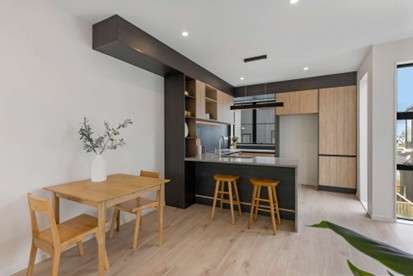
Space planning that feels effortless
-A great plan means fewer steps, fewer bumps, and a kitchen that works without thinking.
-Benchtop height: 900 millimetres suits many people, 920 to 950 millimetres works well for taller cooks
-Toe kick height: 100 to 150 millimetres keeps doors off the floor and your toes happy
-Aisle widths: 1000 to 1200 millimetres for one cook, 1200 to 1400 millimetres for two
-Fridge, sink, hob: keep movement tight, with prep areas either side of the sink
-Tall units: break long runs with open shelving or glass to lighten the visual mass
-Waste and recycling: pull-out bins close to prep, with a compost caddy if you use one
-Power and data: plan sockets for benchtop appliances, island pop-ups, and charging
-Ventilation: ducted extraction where possible, make-up air checked in airtight builds
Ergonomics is not just numbers. A heavy Dutch oven on a high shelf is a recipe for sore wrists. Deep drawers for pots and plates keep weight low and access easy. Wall units with lift-up doors remove the door-in-the-face problem.
Care, maintenance, and repair
Quality kitchen joinery lasts, and smart care keeps it looking fresh.
Wipe spills quickly, especially around sink and dishwasher fronts
Use a chopping board, not the benchtop
Avoid dragging pots across timber or laminate edges
Tighten or adjust hinges each year, five minutes with a screwdriver
Treat timber with the right oil or lacquer care products
Keep a small stock of spare handles, shelf pins, and a touch-up pen for chips
Ask your joiner to fit drip trays under sinks and water-sensitive base units
Most modern systems allow easy swap-outs. A scuffed door can be replaced without pulling the whole kitchen apart. That is a key advantage of well-planned joinery.
The Awesome Kitchens way
We started in Penrose in 2016 with a simple idea: design kitchens with beautiful furniture that look stunning and work brilliantly. In 2020 we moved to Onehunga and opened a two-storey showroom so you can walk through different styles, open drawers, feel the runners, and compare finishes in natural light.
A skilled team sits at the centre of our work. Designers who listen carefully and turn ideas into clear drawings. Cabinetmakers who trust the process and still look for the little improvement that lifts a cabinet from good to exceptional. Installers who care about the last 5 millimetres of scribe against a wavy villa wall.
Production runs on German CNC machinery, precision edgebanders, and quality tooling. Tight tolerances in the factory translate to tidy fits on site. It shortens install days and reduces the small gaps that collect dust.
We prefer materials from local suppliers. Brands like Häfele for hardware and Laminex for panels give steady quality, with good warranties and fast backup. That supports a high standard from hinges to drawer systems.
Timing matters. Our setup is built to move quickly without cutting corners. Clear milestones, quick answers, and one in-house team from measure to handover.
What to expect in a well-run project
No drama, just a clear rhythm.
1.Conversation and measure
-We talk about the way you cook, store, and host, ensuring your custom kitchen meets all your needs.
-A site measure checks levels, services, and tricky details
2.Design and pricing
-Floor plan, elevations, and 3D views
-Material and hardware options laid out with pricing
3.Refinement
-Tweak storage, adjust heights, confirm appliance specs
-Colour and handle samples at the showroom with real light
4.Sign-off and production
-Final drawings, hardware list, and finishes
-Production slots booked, cabinets cut on CNC
5.Site prep
-Builder and sparkie dates aligned
-Old kitchen removed, walls and services ready
6.Installation
-Cabinets levelled and fixed, benchtops templated or fitted
-Doors, drawers, and panels aligned, silicone and scribe completed
7.Handover
-Walkthrough, hinge fine-tune, care instructions
-Any small touch-ups locked in
Most kitchens run to a predictable timeline once drawings and materials are confirmed. Lead times shift with demand and finish choices, so early conversations help you lock in dates.
Cost drivers to keep in view
Kitchen budgets vary widely across Auckland. Size is only one piece of the puzzle. Finish level, hardware grade, and appliance choices move the needle more than people think.
Entry to mid for compact layouts with melamine fronts and laminate or timber tops: a common range sits in the low tens of thousands, appliances excluded
Mid to upper for larger rooms with a mix of melamine and lacquer, pull-outs, and porcelain or natural stone tops: a wide band across the mid tens of thousands
Premium for full-height wall units, pocket doors, custom pantries, veneer or solid timber, and feature slabs: higher tens to six figures
Ways to keep costs in check without losing quality:
Use premium hardware where it counts, standard elsewhere
Keep cabinet widths to common sizes so sheet yield stays high
Limit the number of finish types to two or three
Consider a feature timber panel or shelf rather than full timber doors
Choose a durable laminate for the scullery and save stone for the island
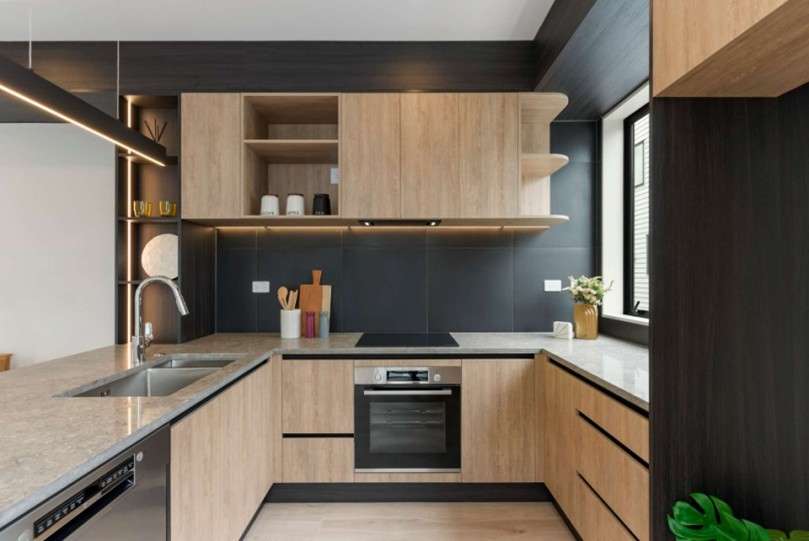
Style choices that age gracefully
Trends come and go. Longevity comes from proportion, texture, and restraint.
-Neutral base with one standout element: a timber island, fluted glass, a bold splashback
-Super-matt fronts in grey-green, clay, or deep blue that work with warm metals
-Integrated lighting that washes panels rather than spotlighting benches
-Open shelf moments to break up tall blocks of cabinetry
-Handles you enjoy touching, or true handle-less with well-designed grips
Remember performance. A matt black tap looks sharp, but keep a microfibre cloth close by. Ribbed fronts or deep grains will collect dust faster than flat fronts.
Practical questions to ask your joiner
-What substrate do you use near wet areas, and how are edges sealed
-Which hinge and runner systems are specified, with load ratings
-How are tall units fixed and braced in older homes with uneven walls
-What is the allowance for scribing panels to floors and ceilings
-How are benchtop cut-outs protected from moisture
-What is the expected lead time from sign-off to install
-Can doors and drawers be replaced down the track, finish availability and colour matching
-What warranty applies to cabinets, hardware, and benchtops
-Who coordinates with the plumber and electrician
-What aftercare is offered, including a first-year check and adjust
Clear answers on these points separate professional outfits from the rest.
Why a showroom visit helps decisions stick
Samples are useful, yet a full-size kitchen tells you much more. Door reveals, panel joints, corner treatments, even the way a soft-close drawer feels when full of cookware. Your hand and eye pick up small differences that 3D renders cannot capture.
Our two-storey space at 282 Neilson Street, Onehunga lets you compare cabinet heights, handle profiles, and layout options at real scale. You can open a Hafele pull-out, test a lift-up wall unit, and see how Laminex finishes behave in daylight and under LEDs. Bring benchtop and tile ideas, and we can lay everything out to see how colours and textures play together.
The value of in–house installation
One team from design through install cuts friction. There is no gap between what the designer promised and what the installer can achieve. Questions get answered quickly. Small site surprises get sensible fixes. The last day on site feels like a tidy wrap rather than a scramble.
It also sets a clear standard. Mitred corners meet properly. Panels meet floors with neat shadow lines. Doors align, and the soft-close feels predictable across the whole kitchen.
Auckland homes, Auckland conditions
Villa, bungalow, modern townhouse, coastal bach. Each type brings its own quirks.
-Villas and bungalows: out-of-plumb walls, splayed floors, heritage trims to work around
-Apartments: lift sizes, acoustic rules, fire ratings for common area transit
-Coastal areas: extra care with steel fixings, good ventilation to combat salt air
-New builds: precise services, airtightness that needs planned extraction paths
A joiner who works across these conditions will ask the right questions early. That avoids surprises when panels meet ceilings and ovens meet power points.
Small details that deliver big gains
– Tall pantry drawers for cereals and snacks, sorted by height
-Hidden charging shelf with USB-C inside a wall unit
-Narrow pull-out for baking trays beside the oven
-Pull-out towel rail inside the sink unit
-Tea and coffee zone with water, cups, and bins within one step
-Magnetic strip inside a cupboard door for knives if you want clear benches
-Adjustable shelves with plenty of increments, not just three fixed positions
These touches do not usually blow the budget. They do raise daily comfort.
Ready to talk about your kitchen
If you are planning a renovation or a new build and want a custom kitchen with joinery that looks great and works hard, we would love to help. Bring floor plans, appliance choices, and a few photos of spaces you like, and let’s discuss how your choice of furniture can complement the overall design. We will map options, show you finishes, and build a clear picture of cost and timing.
Visit our showroom in Onehunga or get in touch to book a time with a designer.
Good kitchens start with good conversations — and at Awesome Kitchens, every conversation is the start of something truly lasting.
