
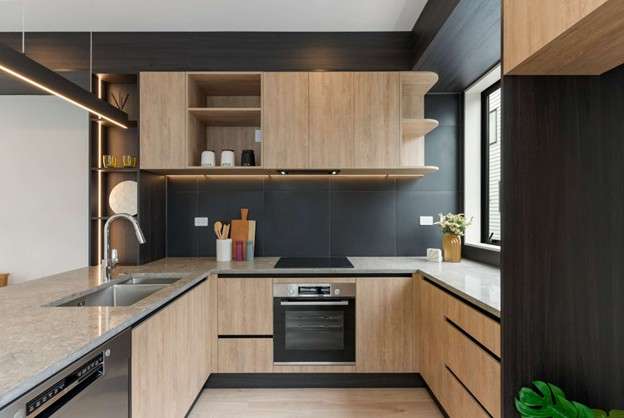
What Order Should a Kitchen Renovation Follow
A well-run kitchen renovation is not just about good design. It is about timing.
When each step happens in the right order, the build moves faster, trades work more efficiently, and costly rework is far less likely. In New Zealand homes, where older construction, moisture issues, uneven walls, and product lead times can all affect the build, sequence matters even more.
A new kitchen should feel exciting, not chaotic.
Why kitchen renovation order matters in New Zealand homes
Many homeowners picture the process starting with demolition. In reality, the smartest kitchen renovations begin long before any cabinet comes off the wall. Plans, measurements, services, appliances, and materials all need to be locked in early. If they are not, the renovation can stall halfway through while waiting for decisions or stock.
That matters in NZ because kitchens often sit at the centre of family life, open-plan living, and resale value. A delay in one item, even something as small as a sink mixer or induction hob, can hold up multiple trades.
Here is the order most projects should follow.
| Stage | What happens | Why it comes first or later |
| 1. Planning and design | Layout, measurements, style, budget, appliance selection | Sets the direction and prevents expensive changes |
| 2. Quote approval and ordering | Cabinetry, benchtops, hardware, appliances, timeline | Long lead items need to be secured early |
| 3. Demolition | Old kitchen removed, site checked | Clears the room and reveals hidden issues |
| 4. Building and rough-in work | Framing, plumbing, electrical, plastering | Services must be in place before cabinets go in |
| 5. Flooring and painting prep | Substrates fixed, some finishes completed | Protects the final fit-out and reduces damage |
| 6. Cabinet installation | Base, wall, pantry, and island units installed | Creates the exact footprint for the benchtop |
| 7. Benchtop templating and installation | Stone or other benchtop measured and fitted | Needs cabinetry locked in first |
| 8. Splashback, fit-off, and finishing | Plumbing fit-off, electrical fit-off, appliances, touch-ups | Final stage once all core elements are installed |
Kitchen renovation planning and design should always come first
The first phase is where the renovation is won or lost. A kitchen may look simple on paper, yet every decision connects to another one. Change the fridge position and you may need to move power. Change the cooktop and you may need a different extractor. Change the island size and your walkways may no longer work.
Good planning covers more than colours and door profiles. It includes how the space will be used every day, who cooks, how often guests gather, what storage is missing, and whether the room needs structural change.
Before any demolition starts, the design phase should settle key items like these:
-layout and workflow
-appliance sizes
-pantry and drawer storage
-lighting positions
-power point locations
-sink and tapware selection
-material choices
-ventilation
In many NZ renovations, this is also the stage where site conditions need a hard look. Older homes can have floors out of level, walls out of square, dated wiring, or signs of past leaks. Those issues do not mean a renovation cannot move ahead. They simply need to be built into the plan.
Lock in quotes, materials, appliances, and the renovation timeline
Once the layout and specification are agreed, the next step is commitment. That means approving the quote, confirming scope, and ordering the products that will shape the build programme.
This part is often rushed, which is where trouble starts. If cabinetry is custom-made, if stone benchtops are being used, or if imported appliances are on the list, timing becomes critical. A kitchen cannot be installed properly when half the components are still undecided.
A clear pre-build checklist usually includes:
–Cabinetry: style, finish, internal storage, handles or handleless detail
–Benchtops: material, thickness, edge detail, sink cut-outs
–Appliances: exact models, dimensions, service requirements
–Hardware: drawer runners, hinges, pull-out systems, bins
–Timeline: manufacturing lead time, installation dates, trade bookings
This is also where an integrated kitchen company can make a real difference. When design, manufacturing, and installation sit within one coordinated team, communication tends to be tighter and lead times easier to control.
Auckland-based Awesome Kitchens is one example of that model. Founded in Penrose in 2016 and later relocating to a two-storey showroom in Onehunga in 2020, the company has built around in-house design, manufacturing, and installation, supported by German machinery and locally sourced materials from recognised suppliers. That kind of structure suits kitchen projects where accuracy and timing have to stay closely linked.

Demolition comes after the planning, not before it
Only once the design is fixed and the major products are ordered should demolition begin.
The strip-out stage usually involves removing the old cabinetry, benchtops, appliances, floor coverings, splashbacks, and sometimes wall linings. It can look dramatic, yet it is still a controlled step. The goal is to expose the room cleanly so builders and service trades can do their work.
This is where surprises tend to appear.
Water damage behind sinks, old plumbing routes, hidden patch jobs, and non-compliant wiring are common in older kitchens. In some homes, asbestos-containing materials may also need professional assessment and removal. If structural walls are affected, or if plumbing and drainage changes are substantial, consent requirements may need to be checked before work begins.
A tidy demolition stage also includes protecting nearby areas, especially in open-plan homes where dust can travel quickly.
Building work, plumbing, and electrical rough-in happen before cabinets
Once the old kitchen is out, the room is ready for the technical work that sits behind the finished surfaces. This stage can include wall repairs, framing changes, window work, insulation, plasterboard replacement, plumbing relocation, gas changes, electrical rewiring, extractor ducting, and new lighting positions.
Nothing here is glamorous, yet all of it matters.
Cabinetry should never be installed before the rough-in work is complete. If pipes, cables, or ducts still need to be moved after cabinets are fitted, the project can slow down fast and damage can follow.
In practical terms, the order often looks like this: builder first if walls or framing need work, then plumber and electrician for rough-in, then plastering and wall preparation. After that, the room is close to ready for its visible finishes.
Flooring and painting need smart timing in a kitchen renovation
This stage often causes confusion because the right order can vary depending on the flooring type and the kitchen design.
Some floors are laid wall to wall before cabinetry goes in. Others are installed after cabinets to reduce material use and protect the finish. Timber, tile, laminate, and hybrid flooring all have different considerations, and islands can complicate the sequence.
A few practical rules help:
–Tile floors: often installed before cabinetry for a continuous finish
–Floating floors: usually planned carefully around cabinetry weight and expansion gaps
–Painting: first coats often go on before installation, final touch-ups after fit-off
If the walls are being fully repainted, many renovators choose to complete most painting before cabinet installation. That saves time later and gives cleaner cut lines. Final coats and touch-ups are usually left until the room is fully fitted.
Cabinet installation comes before benchtop installation
Once the room is square, dry, painted to the right stage, and all services are ready, the cabinets can go in. This includes base units, wall units, tall pantry units, islands, panels, fillers, and any custom joinery details.
This is the point where precision matters most.
Cabinet installation establishes the exact footprint of the new kitchen. Levels must be right, gaps consistent, and service penetrations accurate. Even a few millimetres out can affect benchtop joins, appliance fit, and the way drawers and doors perform.
For custom kitchens, this is where the quality of manufacturing shows. Accurate CNC cutting, reliable hardware, and careful on-site fitting all work together. When installers are part of the same business that designed and made the kitchen, there is often less room for mixed messages.
After the cabinetry is fully installed, the benchtop can be templated. Stone benchtops almost always require this extra step. A technician measures the installed cabinets, then the benchtop is fabricated off-site and returned for installation.
That gap between templating and installation should be built into the timeline from day one.
Splashback, appliances, and trade fit-off complete the kitchen
With the benchtop in place, the kitchen is in its final stretch. The splashback can be measured and installed, sinks and taps can be connected, appliances can be fitted, and electricians and plumbers return for final fit-off.
This is where the room starts to feel complete, though a lot is still happening in the details. Doors and drawers need adjustment, silicone joints need finishing, and appliances need testing. Good installers will also check reveals, alignments, hardware operation, and any last defects before handover.
The finishing list often includes:
–Plumbing fit-off: sink, waste, mixer, dishwasher, water filters
–Electrical fit-off: oven, cooktop, lighting, power points, rangehood
–Appliance installation: integrated fridge panels, dishwashers, microwaves
–Finishing work: silicone, paint touch-ups, door adjustments, cleaning
A kitchen is not truly ready when the cabinets are standing. It is ready when every element works as intended and the room has been checked carefully from one end to the other.
How long a kitchen renovation in NZ usually takes
The full timeline depends on complexity, consent needs, product availability, and whether the project includes structural work. A simple kitchen swap in the same footprint may move relatively quickly. A full redesign with layout changes, custom cabinetry, stone benchtops, and major service relocation will take longer.
As a broad guide, homeowners in NZ often see timeframes like these:
-2 to 4 weeks for design, pricing, and approvals
-4 to 8 weeks for manufacturing and ordering, sometimes longer for special finishes or imported appliances
-1 to 2 weeks for demolition and rough-in work
-1 week for cabinet installation
-1 to 2 weeks for benchtop fabrication, splashback, fit-off, and finishing
Some projects run faster. Some need more breathing room. What matters most is that the programme is realistic from the start.
Choosing a kitchen renovation team in New Zealand
The best renovation order on paper still depends on the people running it. A well-organised team can keep trades moving in the right sequence, catch issues early, and keep communication clear when decisions need to be made.
When comparing kitchen companies, it helps to look for a few signs of strong project control:
-in-house design capability
-accurate site measuring
-custom manufacturing or trusted supply chain
-experienced installation crews
-clear timelines
-local product knowledge
Showrooms can also be useful, especially when comparing finishes, drawer systems, benchtop materials, and storage ideas in person. That is one reason established kitchen businesses often invest in display spaces. They let homeowners make decisions with more confidence before production starts. For anyone planning a kitchen renovation in NZ, the right order is straightforward: design first, then approvals and orders, then demolition, then rough-in work, then finishes, then cabinets, then benchtops, and finally fit-off. Get that sequence right, and the new kitchen has every chance to be as efficient behind the walls as it is beautiful out in the open.
